A positive distraction can help occupy your thoughts and energy, giving you something to focus on besides the urge to drink. Most people who experience cravings notice a mix of internal and external triggers. The new edition of the Diagnostic and Statistical Manual of Mental Disorders (DSM-5) includes cravings as part of the diagnostic criteria for alcohol use disorder (AUD). Cravings won’t necessarily affect everyone who cuts back on alcohol. Still, they’re pretty common, especially if you drink regularly or your alcohol use falls into the “heavy drinking” category (binge drinking 5 or more days in the last month).
- If you are worried about gaining weight, a quit coach can help you with other quitting tips, or you can talk with your healthcare provider for help.
- You may notice that you are getting sick less, and your scratches, scrapes, and bruises are healing faster.
- From month-long sobriety challenges to the Sober Curious movement, more and more people are taking a closer look at the role alcohol plays in their lives.
- You should also get advice about operating heavy machinery at work.
Offer support without enabling
The list we present here is based on empirical research on clinical protocols for addressing alcohol cravings in treatment. The good news is that using these methods can improve our ability to manage and reduce urges. When Sober living home you are attempting to make changes to your drinking habits or drug use, it can be frustrating trying to figure out how to control urges. You might be doing your best to avoid taking drugs or drinking, but you still find yourself having drug and alcohol urges or cravings. Fortunately, urges to drink are short-lived, predictable, and controllable.
What happens to your body when you stop drinking?
A supervised detox from alcohol ensures safety and comfort while managing withdrawal symptoms. Post-detox, cravings may still occur, but programs like behavioral therapy for alcohol addiction and cognitive behavioral therapy (CBT) can provide valuable coping mechanisms. In the past decade there has been increasing interest in the use of medications (i.e., pharmacotherapy) to improve the effectiveness of psychosocial alcoholism treatment (Litten et al. 1996; Swift 1999). Alcoholism pharmacotherapy is based on the premise that alcohol use is mediated through specific neurobiological and behavioral mechanisms that initiate and maintain drinking. Several medications have demonstrated their ability to reduce alcohol consumption in humans, and several of these drugs are reported to reduce alcohol craving. Researchers can reasonably conclude that medications which reduce craving may be effective in alcoholism treatment.

Drink Refusal
Yogurt contains probiotics that are beneficial for gut health, https://sekolahtarunaprima.sch.id/the-sinclair-method-why-drinking-on-naltrexone/ which can be damaged from prolonged heavy drinking. Omega-3-rich fish like salmon and mackerel may also help improve focus and overall brain health. These thoughts, feelings, sensations, and beliefs are not necessarily negative. You may drink to avoid certain feelings, for instance, but you also may drink to enhance certain feelings. At the end of the day, just remember you don’t have to run the course alone — connecting with a therapist or joining a recovery program can make all the difference.
- From there, you may need social support, consistent self-care, and new routines that can help redirect your mind.
- Alcohol withdrawal symptoms generally begin within 12–24 hours after your last drink.
- Chronic alcohol consumption alters dopamine pathways, leading to an increased urge to drink when triggered by stress, social cues, or habitual behaviors1.
- If you’re struggling to quit drinking on your own, seeking professional help from a therapist or addiction specialist can provide valuable support and guidance.
Treatment Process
Your liver begins breaking down stored fat more efficiently within days, and triglyceride levels can decline to near normal within 7 days. However, visible reductions stop alcohol cravings in abdominal fat typically take 4-12 weeks of abstinence combined with healthy eating. Your recovery speed depends on how long you’ve been drinking and your overall metabolic health. Between months two and six, organ healing completes, and you’ll shift toward whole foods that replace those empty calories. Your cravings for unhealthy foods diminish as nutritional status improves progressively.
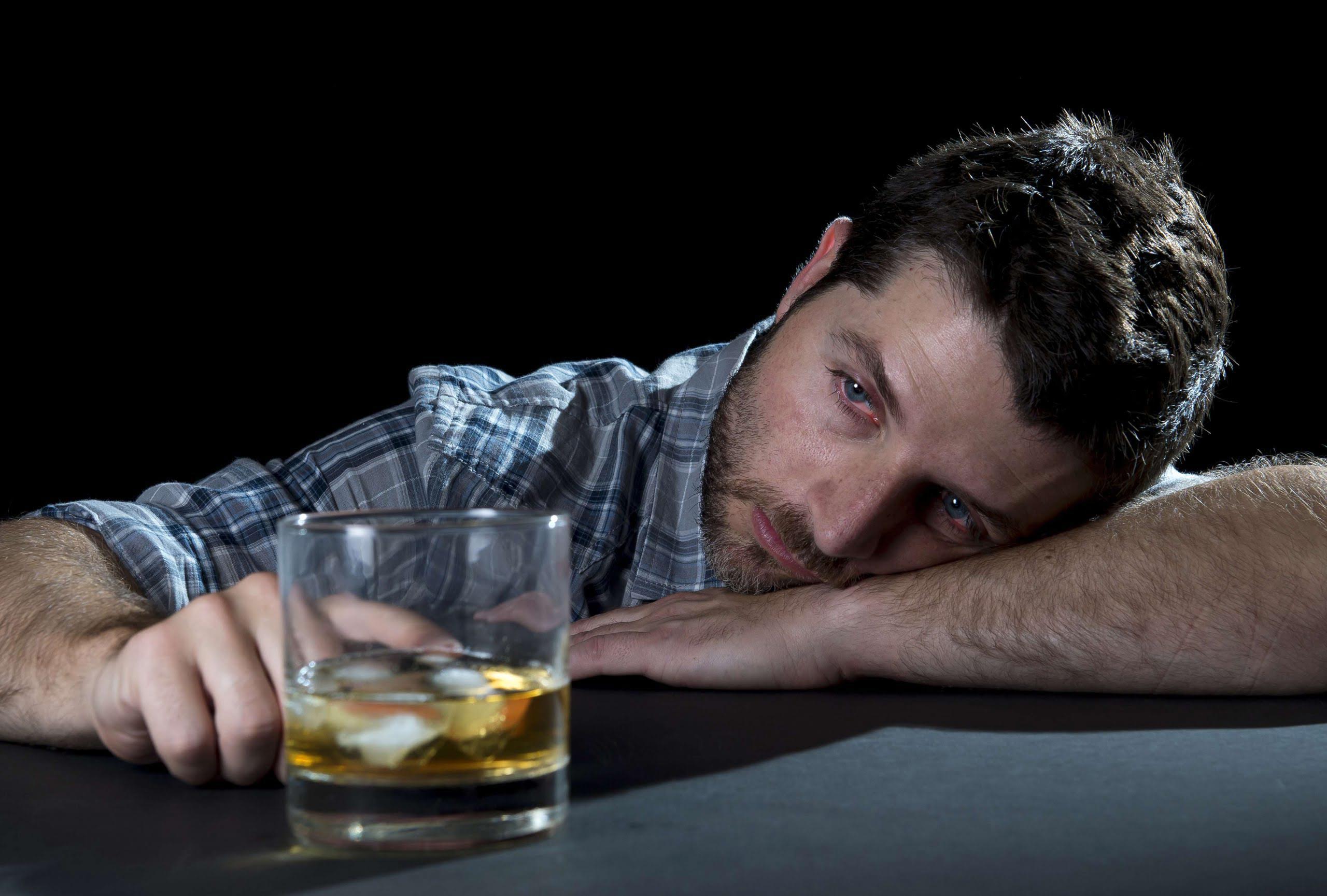
Engage in healthy activities
- The information we provide is not intended to be a substitute for professional medical advice, diagnosis or treatment.
- In this article, we’ll explore why alcohol cravings happen and provide tips for managing them.
- Craving was measured on a seven-point analog scale (Monti et al. 1999).
- You’d end up spending more than you wanted, not to mention that you’d be driving drunk.
They provide prolonged energy release and fiber, reducing the need for alcohol as a quick energy source. Including these foods in your diet can support your overall well-being and help manage alcohol cravings. In addition to the foods mentioned earlier, there are several other options that can help curb alcohol cravings. Incorporating these foods into your diet can provide various benefits and support your journey towards reducing alcohol cravings.
What doctors want you to know before you take a prescription drug off-label
You can work to take your mind off old alcohol-related memories by filling your time with new activities. Focus on what you are doing, like having coffee with a friend, instead of what you’re not doing, like going to a bar. Every month, 150,000 people search for addiction or mental health treatment on Recovery.com. How and where you attempt detoxification will be determined by your level of alcohol dependency.